
Powering India's Future: The Digital Grid Revolution
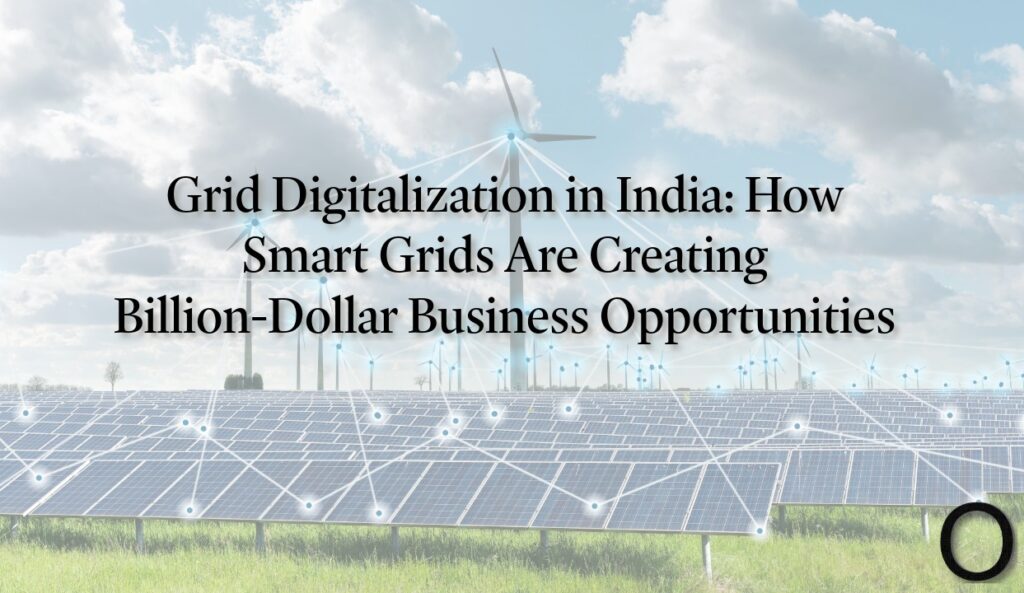
Powering India’s Future: The Digital Grid Revolution
India stands at the cusp of a transformative journey in its power sector. As the nation races toward its ambitious goal of 500 GW of renewable energy capacity by 2030 and net-zero emissions by 2070, a fundamental shift is underway—one that goes beyond just adding more generation capacity. This transformation is about reimagining the very architecture of how electricity flows, is managed, and is traded across the nation. Welcome to the era of grid digitalization.
Why Grid Digitalization is Non-Negotiable for India
India’s traditional power grid, while serving the country for decades, now faces challenges that cannot be solved with conventional approaches alone. The grid architecture was designed for a centralized, one-way flow of electricity from large power plants to consumers. But today’s reality is vastly different.
The Perfect Storm of Challenges
Variable Renewable Integration: With solar and wind power contributing an increasingly significant share of India’s energy mix (currently over 110 GW of installed solar capacity alone), the grid must manage intermittent, weather-dependent generation. Unlike coal or gas plants that can be dispatched on demand, renewable sources require sophisticated real-time balancing and forecasting capabilities.
Distributed Energy Resources (DERs): The proliferation of rooftop solar installations—accounting for nearly 21% of India’s solar capacity—has created millions of small-scale generators. Each of these “prosumers” (producers + consumers) can both draw from and feed into the grid, creating complex two-way power flows that traditional systems weren’t designed to handle.
Technical and Commercial Losses: India’s Transmission and Distribution (T&D) losses hover around 15-20% in many states, significantly higher than the global average of 6-8%. A substantial portion of this represents theft and billing errors—problems that can be addressed through smart metering and real-time monitoring.
Peak Demand Management: As consumer demand patterns evolve with increased air conditioning, electric vehicle adoption, and industrial growth, managing peak loads becomes critical. Without intelligent demand response mechanisms, utilities face expensive capacity additions and potential grid instability.
Grid Reliability and Outages: With over 40 million urban households experiencing daily power cuts, and fault clearing times remaining unacceptably long in many areas, there’s an urgent need for automated fault detection, isolation, and restoration.
The Digital Solution Framework
Grid digitalization addresses these challenges through a comprehensive technology stack that includes:
- Advanced Metering Infrastructure (AMI): Smart meters that enable two-way communication, real-time consumption monitoring, and dynamic pricing
- SCADA/EMS Systems: Supervisory Control and Data Acquisition systems for real-time grid monitoring and control
- Distribution Management Systems (DMS): Software platforms for optimizing distribution network operations
- Energy Management Systems: Tools for load forecasting, demand response, and grid optimization
- Blockchain and IoT Integration: Secure, transparent platforms for peer-to-peer energy trading and device-level monitoring
- Data Analytics and AI: Machine learning algorithms for predictive maintenance, demand forecasting, and grid optimization
Find out more on India Energy Week’s official website
The Transformative Impact: Beyond Just Technology
The digitalization of India’s power grid promises impacts that ripple across economic, social, and environmental dimensions.
Economic Impact
Cost Reduction: Smart grids can significantly reduce T&D losses through better monitoring and theft detection. Early pilot projects have demonstrated loss reductions of 5-10 percentage points, which at India’s scale translates to savings worth thousands of crores annually.
Efficiency Gains: Real-time monitoring enables utilities to optimize power purchase costs, reduce peak demand charges through time-of-use tariffs, and improve asset utilization. Distribution companies can avoid or defer expensive infrastructure upgrades through better demand management.
Market Efficiency: Digital infrastructure enables more sophisticated electricity markets, including intraday trading, ancillary services markets, and eventually real-time pricing. This creates price signals that incentivize efficient consumption and production.
Operational Excellence
Faster Fault Resolution: Automated outage management systems can detect faults in seconds and automatically reroute power, reducing outage durations from hours to minutes. Self-healing grids can restore power without human intervention in many cases.
Predictive Maintenance: AI-powered analytics can predict equipment failures before they occur, enabling preventive maintenance that reduces both costs and service disruptions.
Enhanced Grid Visibility: System operators gain unprecedented visibility into grid conditions, from transmission networks down to individual consumer connections, enabling better decision-making and faster response to contingencies.
Consumer Empowerment
Transparency and Control: Consumers gain access to detailed consumption data through web portals and mobile apps, enabling them to understand and optimize their energy use. Real-time information empowers informed decision-making.
Dynamic Pricing Options: Time-of-use tariffs and demand response programs allow consumers to reduce costs by shifting consumption to off-peak hours. This also benefits the grid by flattening demand curves.
Prosumer Opportunities: Rooftop solar owners can become active participants in the energy market, selling surplus power through peer-to-peer trading platforms or to utilities through net metering arrangements.
Environmental Benefits
Renewable Integration: Smart grids make it technically feasible to integrate much higher shares of variable renewable energy. Better forecasting and balancing mechanisms reduce the need for fossil fuel backup capacity.
Energy Efficiency: By providing visibility into consumption patterns and enabling targeted efficiency programs, digital grids help reduce overall energy waste.
Carbon Tracking: Digital infrastructure enables accurate measurement and verification of carbon emissions, facilitating carbon markets and tracking progress toward climate goals.
Who Benefits? A Comprehensive Stakeholder Map
Utilities and Distribution Companies
DISCOMs are perhaps the most direct beneficiaries. Digital infrastructure addresses their most pressing challenges: reducing aggregate technical and commercial losses, improving customer service, enabling dynamic tariff structures, better asset management and planning, and enhanced regulatory compliance and reporting.
Companies like Tata Power Delhi Distribution Limited, BSES Rajdhani Power Limited (BRPL), and others have already demonstrated these benefits through pilot projects. BRPL’s blockchain-based peer-to-peer trading platform, for instance, has shown how utilities can generate new revenue streams while engaging consumers more effectively.
Consumers—Residential, Commercial, and Industrial
Residential consumers gain control over their electricity bills through real-time consumption data, access to cheaper green energy through P2P trading, reduced outages and faster restoration, and opportunities to monetize rooftop solar installations.
Commercial and industrial consumers benefit from sophisticated demand response programs, access to green energy for corporate sustainability goals, better power quality and reliability, and opportunities to participate in ancillary services markets.
Renewable Energy Generators
Grid digitalization creates a more favorable environment for renewable energy, solving the integration challenges that have sometimes led to curtailment of renewable power. Better forecasting, flexible balancing mechanisms, and energy storage integration all make renewable projects more viable and valuable.
Government and Regulators
Digital infrastructure provides regulators with decision-grade data for better policy-making, transparent market operations that reduce disputes, improved monitoring of utility performance, and tools to track progress toward renewable energy and climate targets. The National Smart Grid Mission benefits from having more pilot projects to scale and replicate.
Technology Companies and Startups
The digitalization wave creates a massive market opportunity for companies providing smart meters, grid management software, cybersecurity solutions, data analytics and AI platforms, IoT devices, and energy trading platforms.
India already hosts over 150 smart grid startups, including companies like Husk Power Systems (the highest-funded at $74.3 million), Genus Power Infrastructures, and Esyasoft. These companies are building everything from AI-powered battery management systems to grid analytics platforms.
Rural and Underserved Communities
Digital microgrids can bring reliable 24/7 power to communities not connected to the main grid. Companies like Husk Power Systems are already electrifying rural communities with hybrid renewable energy solutions using smart, theft-proof distribution systems and pay-as-you-go billing.
Emerging Business Opportunities: A Gold Rush in the Making
The digitalization of India’s power grid is creating a multi-billion dollar market opportunity across multiple domains.
1. Smart Metering and AMI Infrastructure
With India targeting the installation of 250 million smart meters, this represents one of the world’s largest AMI deployments. The opportunity spans meter manufacturing, communication infrastructure, meter data management systems, and installation and maintenance services.
Companies like Genus Power Infrastructures have already secured orders worth over ₹2,200 crores, while partnerships like that between Airtel Business and IntelliSmart aim to deploy up to 20 million smart meters.
2. Grid Analytics and AI Solutions
The explosion of data from smart meters and grid sensors creates demand for sophisticated analytics platforms. Opportunities include:
- Demand forecasting and load prediction
- Predictive maintenance algorithms
- Anomaly detection for theft and technical losses
- Grid optimization and planning tools
- Consumer behavior analysis
Startups like Esyasoft are providing AI-driven smart grid and utility digitalization solutions, while companies like TekUncorked are using IoT platforms to make electricity dispatch smart and predictive.
3. Peer-to-Peer Energy Trading Platforms
States like Karnataka, Uttar Pradesh, and Delhi have issued regulations enabling P2P electricity trading through blockchain platforms. This creates opportunities for platform developers, blockchain solution providers, transaction management systems, and billing and settlement services.
The regulatory framework is still evolving, but early movers have a chance to establish dominant positions in what could become a significant market as rooftop solar adoption accelerates.
4. Energy Storage Solutions
As renewable energy penetration increases, energy storage becomes essential for grid stability. Opportunities include battery energy storage systems (BESS), AI-powered battery management systems (extending battery life by 20% or more, as companies like Photonboxx are demonstrating), and virtual power plant (VPP) aggregation platforms.
5. Microgrid Solutions
For rural electrification and industrial applications, microgrids offer reliable power where grid connectivity is unreliable or absent. The market includes hybrid renewable energy systems, smart distribution and metering for microgrids, microgrid management software, and pay-as-you-go billing systems.
6. EV Charging Infrastructure Integration
Electric vehicles represent a significant new load on the grid but also a potential flexibility resource. Opportunities span smart EV charging stations, vehicle-to-grid (V2G) technology, charging management platforms, and integration with renewable energy and storage.
Companies like RIOD are positioning themselves as leaders in this space with both hardware and software solutions.
7. Cybersecurity Solutions
As grids become more digital and interconnected, cybersecurity becomes paramount. The market includes security assessment and penetration testing, secure communication protocols, intrusion detection and prevention systems, and security operations centers (SOCs) for critical infrastructure.
Startups like EXPLIoT are focused specifically on IoT security, a crucial element as millions of devices connect to the grid.
8. Energy Management Systems
For buildings, industries, and communities, energy management systems provide value through real-time consumption monitoring and control, building automation integration, demand response participation, and carbon footprint tracking and reporting.
Companies like Adya and RightWatts are building comprehensive energy management solutions connecting everything from home equipment to utilities and the grid.
9. Consulting and System Integration
The complexity of grid digitalization creates substantial demand for expertise in grid modernization strategy, technology vendor selection and procurement support, system integration and deployment, training and capacity building, and regulatory compliance and market design.
10. Data Infrastructure and Cloud Services
The National Digital Communications Policy 2018 envisions establishing India as a global hub for cloud computing. Grid digitalization requires cloud platforms for data storage and processing, edge computing for real-time applications, APIs and interoperability standards (like the India Energy Stack), and data exchange and marketplace platforms.
The India Energy Stack: Building the Digital Highway
Perhaps the most strategic initiative in India’s grid digitalization journey is the India Energy Stack (IES)—a sector-wide digital public infrastructure similar to India’s successful digital payment infrastructure (UPI) and digital identity system (Aadhaar).
What is the India Energy Stack?
IES is envisioned as a set of shared identifiers, secure data exchange protocols, and interoperable service interfaces that allow different systems to work together without requiring a central platform or creating vendor lock-in. It’s not a single software system but rather a set of standards and “rails” for trusted interaction.
Think of it as the Android or iOS of the energy sector—a common foundation that different applications can build upon.
Why IES Matters
Without such infrastructure, the cost of integration rises exponentially with every new use case, utility system, and market actor. This slows reforms, increases dispute and settlement friction, limits regulatory visibility, and makes innovation expensive to deploy beyond pilots.
IES aims to address high-cost frictions including integration complexity and cost, data trust gaps and quality issues, settlement disputes between parties, slow onboarding of new market participants, and limited interoperability across systems.
Priority Use Cases
IES is being designed to enable multiple use cases:
- Smart meter data exchange: Standardized formats for consumption data, generation data from prosumers, and tariff information
- Peer-to-peer energy trading: Common protocols for matching buyers and sellers, settlement mechanisms, and regulatory reporting
- EV charging integration: Interoperable charging standards, payment systems, and grid interaction protocols
- Distributed energy resource management: Standardized interfaces for controlling and coordinating DERs
- Market operations: Common data models for trading, scheduling, and settlement
The Path Forward
The success of IES will depend on balancing openness with assurance—standardizing what’s necessary for safety and trust while keeping the ecosystem competitive. It requires alignment of incentives across utilities, technology providers, regulators, and consumers.
Early adoption will likely be driven by a combination of regulatory mandates for critical functions, procurement standards in government programs, and market forces as the value proposition becomes clear.
Challenges and the Road Ahead
Despite the immense opportunities, significant challenges remain on the path to a fully digitalized grid.
Regulatory and Legal Hurdles
The Electricity Act 2003 was designed for a different era and doesn’t explicitly recognize concepts like customer-to-customer electricity sales. State Electricity Regulatory Commissions are working to develop frameworks for P2P trading, but questions around licensing, open access charges, and dispute resolution need clarity.
Infrastructure Gaps
Many parts of India’s distribution infrastructure need modernization before digital solutions can deliver their full value. Communication networks must be robust and secure, creating dependencies on telecom infrastructure.
Investment Requirements
The estimated cost for smart grid projects and digitalization initiatives runs into thousands of crores. While the business case is strong, mobilizing capital—especially for distribution companies with weak financial health—remains challenging.
Cybersecurity Risks
A digitalized grid creates new vulnerabilities. Protecting critical infrastructure from cyber attacks requires substantial investment in security systems, continuous monitoring, and skilled personnel.
Skills and Capacity
The power sector workforce needs new skills in IT, data analytics, cybersecurity, and digital systems management. Training and capacity building programs are essential but take time to yield results.
Consumer Awareness and Adoption
Many consumers are unfamiliar with concepts like dynamic pricing, demand response, or P2P trading. Education and engagement programs are needed to drive adoption and realize the full benefits.
Standardization and Interoperability
Without common standards, the risk of creating new silos and vendor lock-in is real. Industry-wide collaboration on standards like IES is crucial but requires coordination across competing interests.
Conclusion: A Nation-Defining Opportunity
India’s grid digitalization is not merely a technology upgrade—it’s a reimagining of the entire electricity ecosystem. It represents the convergence of India’s strengths in IT and software, its manufacturing ambitions under Make in India, its renewable energy goals, and its vision for digital public infrastructure.
The stakes are enormous. Success will mean:
- Reliable, 24/7 power for all citizens, including rural communities
- Accelerated renewable energy integration supporting climate goals
- Significant cost savings for utilities and consumers
- Creation of thousands of high-skilled jobs in the growing clean energy sector
- Establishment of India as a global leader in smart grid technology
For entrepreneurs and businesses, the opportunity is equally vast—a multi-billion dollar market is opening up across hardware, software, services, and platforms. The next decade could see the emergence of Indian smart grid champions that compete globally, much as Indian IT services companies did in previous decades.
For policymakers and regulators, the challenge is to create enabling frameworks that foster innovation while ensuring reliability, security, and equity. The success of India’s digital public infrastructure in payments and identity offers a proven playbook: create open standards, enable competition, and let innovation flourish.
As India prepares for a new era of peer-to-peer electricity trading, AI-optimized grids, and truly sustainable energy, one thing is clear: the digital grid revolution is not coming—it’s already here. The question now is not whether to digitalize, but how quickly and how well we can execute this transformation.
The power grid that served India for the past century is making way for the intelligent, responsive, sustainable grid that will power the next century of growth. And in this transformation lies not just technical progress, but the promise of energy access, environmental sustainability, and economic opportunity for over a billion people.
The future is digital. The future is now. And for India’s power sector, the future is incredibly bright.